Nov26
BURGER BINGO/NAME THAT TUNE at Refined Fool
Thu, Nov 26 · 5:00 pm
Refined Fool Brewing Co. Refined Fool Brewing Co Kids with Fur, 1308 London Rd, ON N7S Sarnia, ON
Changes taking effect in May 2027 will distinguish conventional electric bicycles from motorcycle-style vehicles, potentially leaving some existing owners facing new licensing requirements or unable to register their vehicles.

Some electric motorcycles and scooter-style vehicles currently operated as e-bikes could be prohibited from Ontario’s public roads next spring, leaving their owners facing new licensing and insurance requirements, or unable to register their vehicles at all.
The province announced Thursday, November 26, that beginning May 1, 2027, vehicles designed more like motorcycles or motor scooters will no longer qualify as electric bicycles simply because they are electrically powered or equipped with pedals.
Conventional electric bicycles, including qualifying models with throttles, will remain legal without a driver’s licence, registration or motor vehicle insurance. The changes primarily target vehicles that have blurred the distinction between bicycles and motorcycles.
For residents who already own one of the affected vehicles, however, the consequences could be substantial.
Under the new framework, motorcycle-style and scooter-style electric vehicles must meet the requirements for motorcycles or mopeds to operate on public roads. That includes appropriate licensing, insurance, registration and compliance with federal motor vehicle safety standards.
Not every vehicle previously sold as an e-bike will necessarily qualify for registration. Vehicles that cannot meet those requirements may no longer be permitted on public roads.
The province has not explained whether existing owners will receive exemptions or how vehicles purchased under the previous rules will be treated when the changes take effect.
The distinction matters in communities such as Sarnia, where electric bicycles and scooter-style vehicles are sold and used as alternatives to conventional transportation.
For someone who purchased a vehicle costing several thousand dollars because it did not require a driver’s licence or insurance, the changes could fundamentally alter how, or whether, they can continue using it.
Ontario’s new rules establish two categories of electric bicycles.
Class A will include conventional pedal-assist bicycles weighing no more than 55 kilograms. Their motors provide assistance while the rider pedals, with a limited exception for low-speed walking assistance.
Class B will include heavier pedal-assist bicycles and models equipped with throttles, which allow riders to engage the motor without continuously pedalling. These bicycles can weigh up to 120 kilograms.
Both categories must have bicycle-style designs and functioning pedals or hand cranks, with motors limited to 500 watts and motor-assisted speeds capped at 32 kilometres per hour.
Riders must continue to be at least 16 years old and wear approved helmets.
The province says violations could result in fines of up to $2,500 and vehicle impoundment.
The changes follow a February 2025 review by Ontario’s Office of the Chief Coroner that examined fatalities involving vehicles classified as electric bicycles.
The investigation began with five deaths involving motorcycle-style or scooter-style electric vehicles that had been modified in ways believed to increase their speed. None of the five vehicles resembled conventional pedal-driven bicycles.
The review also identified 25 e-bike rider fatalities in Ontario between 2012 and 2021, although investigators cautioned that inconsistent reporting and vehicle classifications made it difficult to accurately assess the broader risks.
The expert panel recommended clearer distinctions between bicycles and motorcycle-style electric vehicles, along with improvements to collision reporting, injury data and enforcement.
Ontario’s new classifications address some of those recommendations, although Thursday’s announcement did not describe a corresponding new system for collecting detailed e-bike collision and injury data.
In Sarnia, the announcement comes less than two years after city council permanently permitted electric bicycles on municipal trails and pathways, including the Howard Watson Nature Trail.
The March 2025 decision followed a one-year trial and public consultation that revealed sharply divided opinions about allowing motor-assisted bicycles to share pathways with pedestrians and conventional cyclists.
Supporters pointed to affordable transportation, accessibility and opportunities for older residents and people with reduced mobility to continue cycling. Opponents raised concerns about speed, heavier vehicles and conflicts with pedestrians.
Municipal staff concluded that many negative interactions resulted from poor trail etiquette rather than the presence of electric bicycles themselves.
However, the city also acknowledged that police and municipal bylaw officers lacked the resources to continuously patrol its trail network.
Staff specifically anticipated that provincial classifications could change.
In their March 2025 report, staff said they would continue monitoring provincial classifications and consider whether additional restrictions were needed for heavier or faster categories of e-bikes.
Thursday’s announcement now establishes the new provincial framework the city had anticipated.
It remains unclear whether Sarnia intends to revisit its trail regulations before the changes take effect.
The province permits municipalities to impose additional restrictions on where electric bicycles can operate, meaning a vehicle that qualifies under provincial rules is not necessarily permitted on every municipal pathway.
Sarnia’s existing e-bike rental program appears less likely to be affected.
CURRENT Micromobility, which launched a three-year municipal pilot in September 2025, operates pedal-assist rental bicycles. Owner Cory Tukeli previously described the fleet as requiring riders to pedal before motor assistance engages, with assisted speeds capped at approximately 25 kilometres per hour.
Those characteristics are consistent with the new Class A framework, although the bicycles’ complete technical specifications have not been independently confirmed.
Beyond the rental program, the new regulations raise broader questions about access to transportation.
Electric bicycles and scooter-style vehicles can offer a less expensive alternative to owning and operating a car, particularly for people who rely on them for work, errands and daily travel.
The province’s changes are intended to address safety concerns, but some existing owners could face additional expenses or lose access to vehicles they previously relied upon.
Residents considering purchasing an electric bicycle are being advised to check that it meets Ontario’s requirements rather than relying solely on how a manufacturer or retailer markets it.
Existing owners should check whether their vehicles meet the new e-bike requirements and, if not, whether they qualify for registration as motorcycles or mopeds. That requires more than having working lights, brakes or pedals: the vehicle must meet applicable federal safety standards and carry the required compliance label.
The new rules do not take effect until May 1, 2027, and do not immediately prohibit vehicles that are currently operating legally.
Ontario says it will work with police, municipalities, manufacturers, retailers and the insurance industry to explain the requirements before they take effect.
For existing owners, the most consequential question remains whether the vehicles they already purchased will continue to have a legal place on Ontario’s roads next spring.

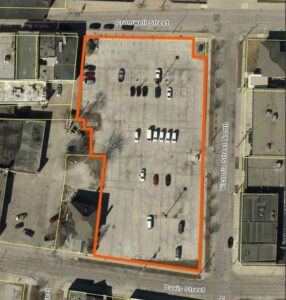 Sarnia council orders land reviews, building on years of development planning

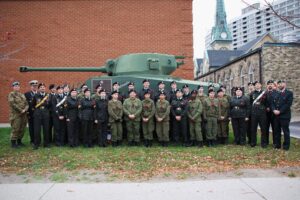 Sarnia Army Cadets aim to collect 1,000 holiday cards for Canadian Armed Forces members
 Business licence fees frozen, outdoor rink considered among new Sarnia council’s first decisions
Thu, Nov 26 · 5:00 pm
Refined Fool Brewing Co. Refined Fool Brewing Co Kids with Fur, 1308 London Rd, ON N7S Sarnia, ON
Thu, Nov 26 · 7:00 pm
Black Gold Brewery 395 Fletcher St. Petrolia, ON
Fri, Nov 27 · 7:00 pm
Polish Hall Sarnia 173 Exmouth St. Sarnia, ON