Nov24
SARNIA’S BEST TRIVIA at Refined Fool
Tue, Nov 24 · 5:00 pm
Refined Fool Brewing Co. Refined Fool Brewing Co Kids with Fur, 1308 London Rd, ON N7S Sarnia, ON
Sarnia council orders new land reviews, building on existing plans, a $9.42-million road contract and earlier decisions about affordable housing.
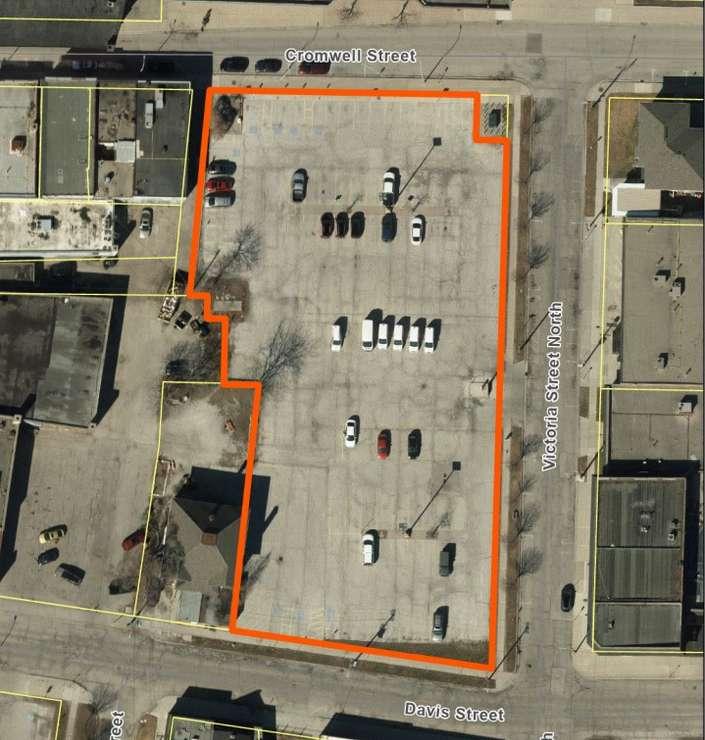
In May 2024, Sarnia City Council began the process of donating a downtown municipal parking lot to Lambton County for affordable housing. By October 2024, councillors had narrowed the proposal to preserve public parking, then declined to approve the revised transfer.
The Victoria Street property remained a parking lot. Now, Sarnia’s newly elected council has ordered reviews of other public lands that could support affordable housing and industrial development, building on earlier municipal inventories and development studies.
At its November 23, 2026 meeting, council approved several motions introduced by Coun. Mario Fazio requesting reports on publicly owned property, surplus buildings, affordable-housing opportunities and industrial sites that could be made ready for construction.
The decisions authorize further investigation, not land transfers or construction.
Fazio acknowledged during debate that some information concerning Development Area 2 might already have been covered at previous council meetings. He asked staff to establish what city- and county-owned land was available and whether it could be serviced.
The distinction matters. Sarnia already knows where much of its land is, but existing inventories do not necessarily establish which properties could accommodate development.
The Victoria Street parking lot provides an example of how land availability can become a political decision.
In May 2024, council declared 115 Victoria St. N. surplus and initiated a conditional donation process, requiring the county to demonstrate progress, incorporate public parking and return for final council approval.
On October 1, 2024, councillors directed staff to pursue an arrangement retaining 40 to 50 parking spaces.
On October 28, 2024, council voted 7–2 to receive and file a recommendation to donate the northern portion of the property. The proposed transfer did not proceed.
Sarnia’s existing City-Owned Land Inventory Map classifies municipal properties as available, conditionally unavailable or unavailable. Some properties have already been declared surplus and marketed for industrial development. Parking lots generally remain conditionally unavailable.
But the map does not establish whether individual properties could support housing, require additional servicing or could be sold without affecting existing municipal operations.
Development Area 2, east of Modeland Road, provides another example of work already completed.
Council adopted an updated development plan in February 2024 for approximately 570 hectares, establishing a framework for future residential, commercial and employment development, roads, parks and environmental protections.
The area includes both public and private property. Land designated for future housing is not necessarily municipally owned, available for sale or ready for construction.
The city also commissioned a strategy for selling or transferring municipal land south of Wellington Street for residential and mixed-use development.
A September 2024 staff report explained that the work had been suspended because Ontario Land Tribunal appeals created uncertainty over portions of the plan.
By October 2025, staff reported that several appeals had been resolved and said work on the land-disposal strategy would resume. The report said funding was already available through municipal reserve accounts.
The documents reviewed for this article do not establish whether that strategy has since been completed.
Infrastructure has progressed further.
In July 2026, council awarded a $9.42-million contract to Henry Heyink Construction Inc. for the Wellington Street extension, intended to improve access to future residential and mixed-use development lands.
That represents a construction commitment, not proof the road is complete.
Even serviced land does not guarantee affordable housing.
Sarnia’s Official Plan identifies affordable housing as a priority for consideration when municipal land becomes surplus and contemplates making suitable property available to housing providers at little or no cost.
The city’s 2025 Housing Needs Assessment found that between 2016 and 2021, Sarnia added 60 affordable rental units for low- and very-low-income households but lost 125, a net decline of 65.
The city’s Residential Development Pipeline Dashboard tracks housing proposals and approvals. Those figures do not establish how many completed homes are affordable to lower-income residents.
Industrial development presents similar challenges.
Sarnia’s 2025 Economic Development Master Plan identified approximately 337 gross hectares of vacant or severely underused employment land.
Its analysis concluded that the overall quantity of land was sufficient for projected growth, while infrastructure and servicing shortfalls were significant barriers to making sites ready for investment.
The finding does not mean all 337 hectares are publicly owned, available for purchase or ready for construction.
Council had already requested related work. On July 20, 2026, Coun. Terry Burrell successfully moved for a report examining infrastructure and funding required to develop industrial parks and other lands in south Sarnia, including housing needs.
During November’s debate, Fazio emphasized that his new request covered both public and private industrial lands specifically within Sarnia’s boundaries.
Coun. Chrissy McRoberts raised the investment required to service industrial sites, while Coun. Dick Felton linked that challenge to his successful request for a presentation from the Sarnia-Lambton Economic Partnership on investment attraction and measurable results.
Other approved reviews will examine surplus municipal buildings, potential school-board and senior-government land, and the former Bayside Mall’s underground parking garage.
The obstacles differ by property. Some sites require expensive infrastructure, others face ownership or planning restrictions, and even suitable housing land requires financing and development partners.
The new reviews could identify opportunities that earlier inventories have not assessed. Their value will depend on whether they also establish what is preventing identified properties from being developed and what decisions or investments would be required to turn those opportunities into homes and jobs.
 Ontario restricts housing around Cargill after years of local planning

 Sarnia’s aviation community celebrates its past with eyes on the future


Tue, Nov 24 · 5:00 pm
Refined Fool Brewing Co. Refined Fool Brewing Co Kids with Fur, 1308 London Rd, ON N7S Sarnia, ON
Tue, Nov 24 · 6:00 pm
Black Gold Brewery 395 Fletcher St Petrolia, ON
Tue, Nov 24 · 6:00 pm
Tue, Nov 24 · 6:00 pm
The Lawrence House Centre for the Arts 127 Christina St. South Sarnia, ON
Tue, Nov 24 · 6:15 pm