Why Brick-and-Mortar Tech Buyback Stores Still Matter in a Digital World
Canadians upgrade their phones, laptops, tablets, and gaming devices more often than they did a few years ago. Many households now have old electronics sitting in drawers because people are unsure where to sell them safely.
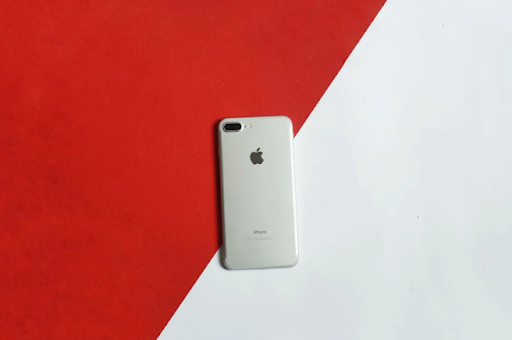
Canadians upgrade their phones, laptops, tablets, and gaming devices more often than they did a few years ago. Many households now have old electronics sitting in drawers because people are unsure where to sell them safely. Online marketplaces may seem convenient at first, but the process often becomes frustrating. Sellers deal with low offers, unreliable buyers, shipping problems, and concerns about personal data still being stored on devices.
That is one reason physical tech buyback stores continue to attract customers across Canada. People want a fast and straightforward way to sell electronics without dealing with strangers online. They also want confidence that their devices will be wiped properly and handled responsibly. In-person buyback stores solve several problems at once. Customers can walk in with old electronics, get a professional evaluation, receive an offer quickly, and leave knowing their information has been removed securely.
Selling Old Tech Shouldn’t Feel Complicated
Many people put off selling old electronics because online selling takes more effort than expected. A simple iPhone listing, for example, can turn into days of replying to messages, negotiating prices, and waiting for buyers who never show up. Some sellers lower their prices just to avoid the hassle. Others stop trying altogether and leave unused devices sitting at home.
Physical tech buyback stores simplify the process. Customers can bring in a phone, laptop, tablet, or gaming console and receive an evaluation on the spot. Staff members inspect the device, explain its value clearly, and provide payment immediately if the customer accepts the offer. This process works especially well for people who want convenience and quick results. Busy professionals, students, and families often prefer a same-day solution instead of spending time managing online listings and private meetups, which is one reason reliable iPhone trade in services continue attracting more people.
Why Canadians Still Prefer Face-to-Face Transactions
Trust plays a major role when people sell expensive electronics. Many people feel uncomfortable meeting strangers through online marketplaces, especially when the transaction involves high-value devices like iPhones, MacBooks, or gaming systems. Stories about fake payments, unsafe meetup locations, and stolen devices have made some sellers more cautious.
In-person buyback stores create a more reliable experience. Customers deal directly with trained staff in a professional retail setting. The process feels more transparent because sellers can ask questions, receive a clear explanation of the device evaluation, and complete the transaction immediately. There is also peace of mind in knowing the store follows established procedures for testing devices and verifying ownership. For many consumers, this level of security matters more than trying to negotiate a slightly higher price online while dealing with uncertainty and risk.
Data Security Matters More Than Ever
Smartphones and laptops now hold banking information, private photos, passwords, emails, and personal documents. Many people understand the importance of deleting data before selling a device, but not everyone knows how to remove everything properly. A factory reset alone may not always give customers complete confidence, especially when personal information is involved.
Professional tech buyback stores help solve this concern by guiding customers through the process and securely wiping devices before resale or recycling. Staff members often assist with removing accounts, disabling activation locks, and resetting devices correctly. This service matters because many people want reassurance that their information will not end up in the wrong hands after a sale. A professional environment also gives customers the chance to ask questions if they are unsure about backups or account removal. That level of support adds real value during the selling process.
Broken Electronics Still Have Real Value
A surprising number of people keep damaged electronics because they assume nobody will buy them. Cracked screens, battery issues, water damage, and outdated hardware often lead people to believe their devices belong in the garbage. In reality, many buyback stores still purchase broken electronics because usable parts and repair opportunities still exist.
This creates a practical option for consumers who want to clear out old tech without throwing it away. Damaged iPhones, older laptops, tablets, and gaming consoles may still qualify for cash or store credit depending on their condition. Some devices can be refurbished and resold, while others may be used for parts or recycled responsibly. This approach also supports sustainability by reducing electronic waste. Instead of sitting unused in a drawer or ending up in a landfill, older devices continue serving a purpose within the resale and repair market.
Electronics Recycling Has Become a Bigger Priority
Electronic waste continues growing as consumers upgrade devices more frequently. Phones, tablets, laptops, and gaming systems contain materials that require proper handling during disposal. Throwing electronics into household garbage can create environmental problems because many devices contain batteries and components that should be recycled through approved channels.
Tech buyback stores help reduce unnecessary waste by extending the life of electronics whenever possible. Devices in good condition may be refurbished and resold, while damaged products can often provide reusable parts. Stores also help customers recycle electronics responsibly when resale is no longer possible. This process keeps more devices out of landfills and supports a more sustainable approach to consumer technology. Many Canadians have become more aware of environmental issues in recent years, and responsible electronics recycling has become an important factor when deciding where to sell or trade old devices.
Expert Help Still Matters to Consumers
Selling electronics can become confusing for people who do not follow technology closely. Many consumers are unsure how to remove activation locks, check carrier status, transfer data, or understand why one device holds more value than another. Online marketplaces rarely provide clear guidance during the selling process, which creates frustration for some users.
In-person buyback stores give customers direct access to knowledgeable staff who can explain things clearly. Someone selling an iPhone may need help disabling Find My iPhone or removing an Apple account before the transaction can move forward. Others may want advice about whether a damaged laptop still has trade-in value. These conversations happen quickly in a retail setting because staff can inspect devices directly and answer questions in real time. That level of personal support continues attracting people who want a smoother and less stressful selling experience.
Online marketplaces have changed how people buy and sell used electronics, but they have not removed the need for physical tech buyback stores. Many consumers still want a safer, faster, and more reliable way to sell old devices without dealing with strangers, shipping delays, or uncertainty about personal data. In-person stores continue solving these concerns through immediate evaluations, secure device wiping, responsible recycling, and knowledgeable customer support.
These stores also play an important role in the growing refurbished electronics market by helping consumers access affordable technology while reducing electronic waste. As more people focus on convenience, sustainability, and trust, physical buyback stores continue offering practical value that online platforms often struggle to match. Even in a digital-first world, face-to-face service still matters when people hand over devices containing both financial value and personal information.