Nov22
Once Upon a Time in a Cinema
Sun, Nov 22 · 2:00 pm
Sarnia’s draft zoning bylaw updates how home-based businesses are defined, but largely keeps the same restrictions in place. Fixed caps on space, staffing, and visibility remain, often regardless of real neighbourhood impact. The result is a system that continues to limit small-scale entrepreneurship rather than enabling it to grow organically.
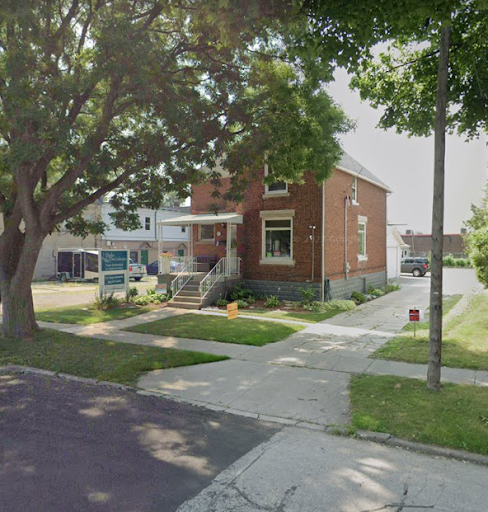
On Davis Street near Mitton Street, Sole Decisions operates quietly out of a home. It forms part of a long tradition of small businesses embedded within Sarnia’s residential neighbourhoods.
Home-based businesses serve as the lowest-barrier entry point into entrepreneurship. They let people start small, test ideas, and build income without the high upfront costs of commercial space. Many evolve into larger operations that eventually move into storefronts or hire staff.
These businesses also support people who face barriers to traditional employment, including caregivers, people with disabilities, and lower-income households. In economic downturns, they provide vital financial resilience.
Neighbourhoods like Mitton Village and downtown grew through incremental, small-scale entrepreneurship woven into residential streets. What begins in a home can scale into a small Accessory Commercial Unit before becoming a neighbourhood storefront.
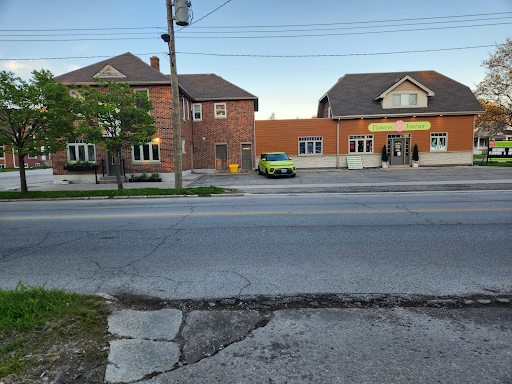
Flowers Forever on Russell Street shows this pattern clearly. It operates in a mixed-use building with commercial and residential tenants in a Residential 1 zone under the draft bylaws. Its form suggests it started as a residence or group of residences with a home-based business that gradually evolved.
Over time, such businesses expanded and adapted, shaping the commercial corridors we see today. This mixed-use evolution mirrors a time-tested pattern of urban development that has sustained cities for centuries. Russell Street, Davis Street, and East Street all reflect this incremental growth.
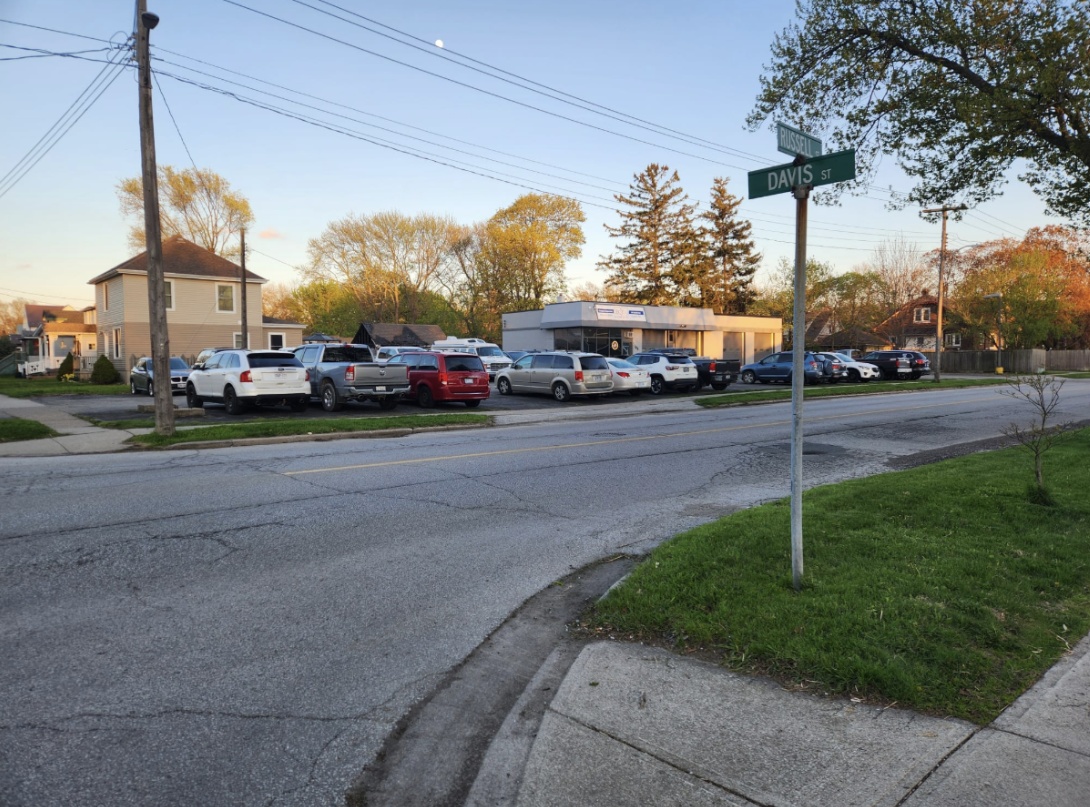
Best Automotive at the corner of Russell and Davis Streets stands as another small, locally owned example. It serves the community from within a predominantly residential area, illustrating how neighbourhood-serving commercial uses have long fit naturally into these streets.
Despite decades of successful small-scale operations in residential neighbourhoods — and the Official Plan’s clear support for mixed-use, walkable communities — the proposed bylaw continues to restrict these forms of development. It limits opportunities for local entrepreneurs and small businesses to grow.
The draft bylaw makes some improvements on paper. It expands categories like home occupations, artist studios, and maker spaces. It acknowledges garages and accessory buildings. It re-introduces neighbourhood commercial concepts and nods to impacts such as noise, odour, dust, and vibration.
But the core structure stays largely unchanged. The bylaw still uses vague terms like “noxious” or “adverse effects” without clear thresholds. Enforcement remains complaint-driven. It prohibits many home occupations in accessory buildings such as garages and keeps fixed limits on staffing, floor space, and scale that ignore actual neighbourhood impact.
For some businesses these limits never bind. For others they set an arbitrary ceiling, even when no real disruption exists.
This approach is common across Canada. Rules are rarely enforced based on measurable harm. Instead, arbitrary neighbour complaints, broad nuisance language, and an outdated insistence on strict separation between residential and commercial zoning drive decisions.
A home-based consultant or online business can face caps on employees or workspace despite zero external footprint. A home baker or wellness provider may have to relocate solely for exceeding a fixed share of floor area. Makers and woodworkers hit square-metre limits instead of rules tied to real noise, vibration, or operating hours.
The system controls scale by default, not by impact.
It offers no as-of-right path for clearly low-impact businesses. Even operations with no traffic, no noise, and no visibility must follow administrative limits meant for heavier uses. Signage and exterior identification rules block even appointment-based businesses from integrating into their neighbourhoods or building local customer bases.
There is no clear pathway for natural growth. Home-based businesses must stay subordinate to residential use, with no defined mechanism to transition into neighbourhood commercial or mixed-use forms.
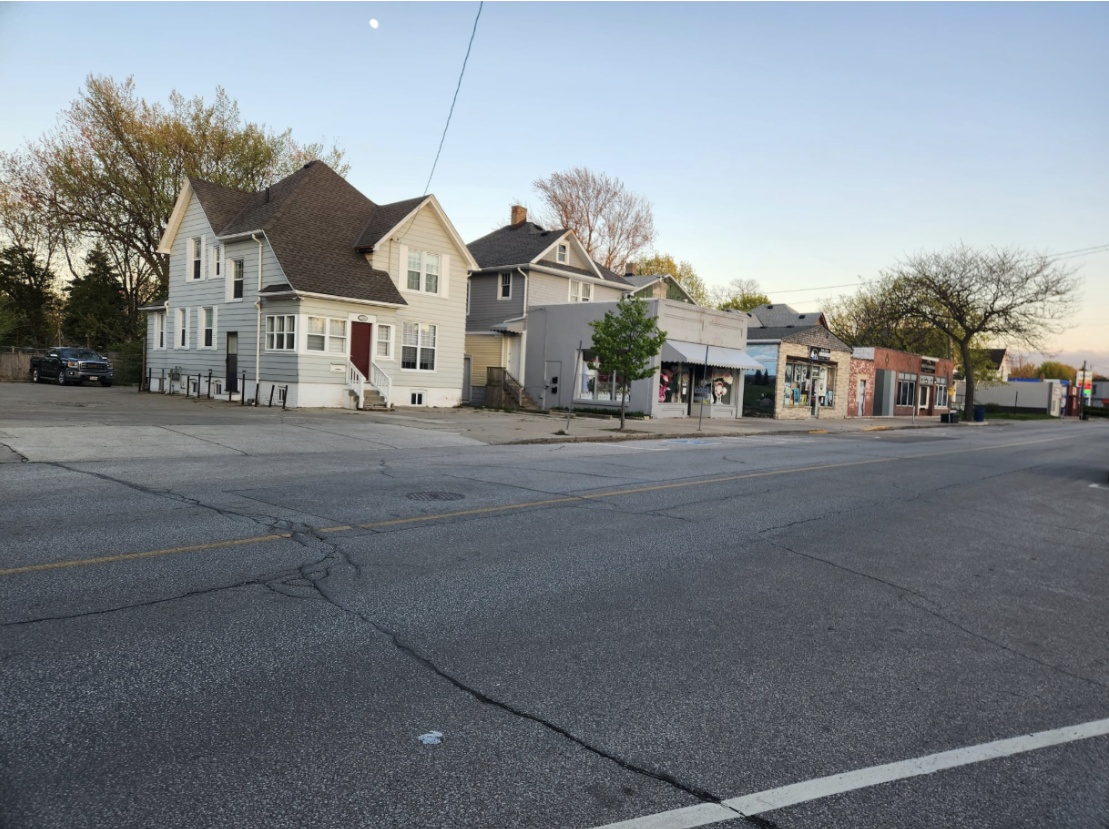
A row of houses on Mitton Street makes the missed opportunity visible. One is purely residential; the next three include Accessory Commercial Units. This small-scale, mixed-use pattern once offered an accessible, affordable route for local entrepreneurship. Current rules make that organic growth far more difficult.
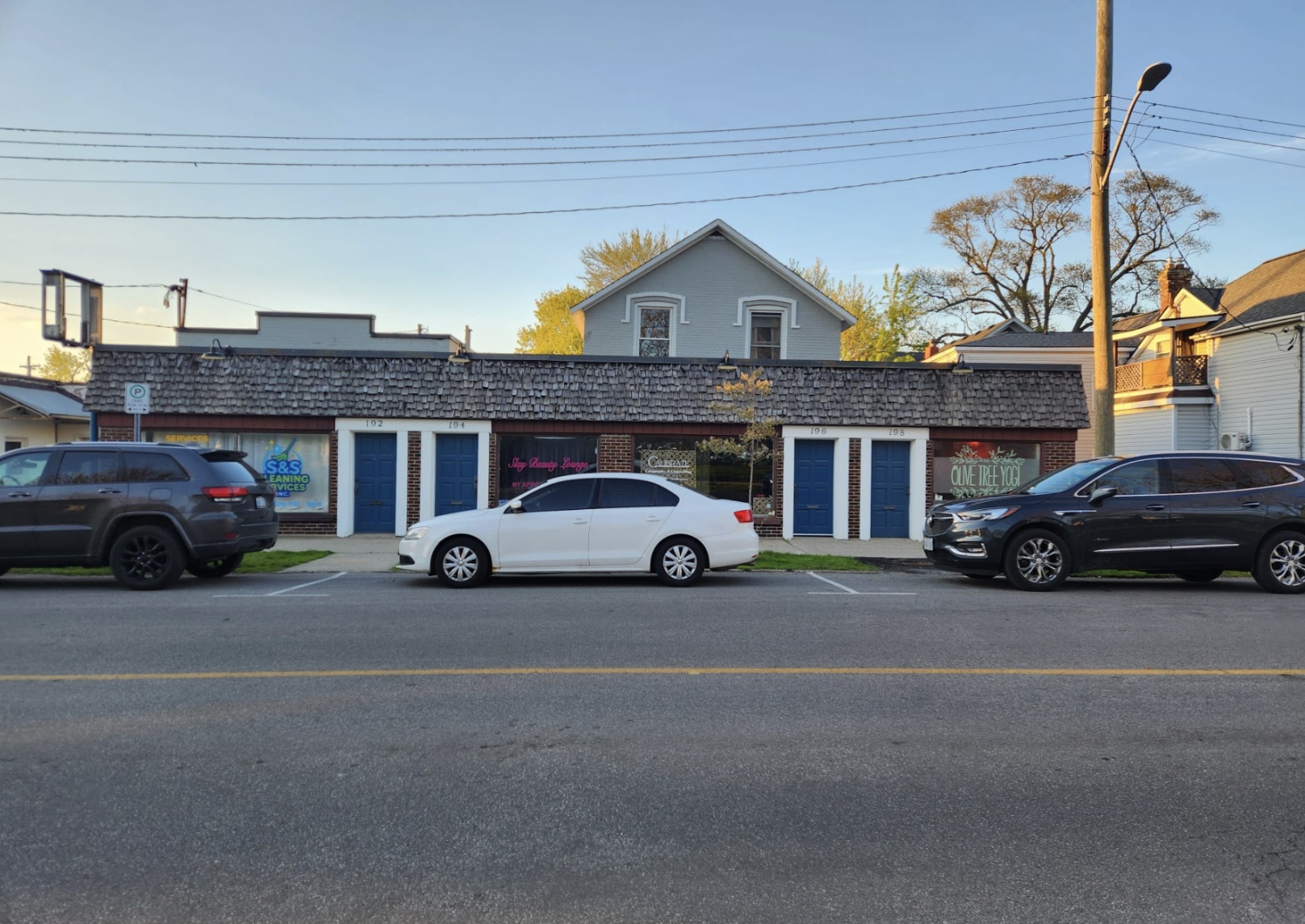
A row of attached accessory commercial units on Davis Street shows what works. Located in the mixed-use corridor near downtown, these storefronts integrate directly into homes at zero setback. They function as natural incubators for small businesses. Yet such configurations would not be fully enabled under the draft bylaw.
The practical effect preserves a disconnected, single-use suburban model that prioritizes separation over living neighbourhoods that can evolve. This makes it harder for independent local businesses to start and scale, while favouring larger national chains better suited to restrictive, stand-alone commercial formats.
A special Sarnia council meeting on May 11, 2026 called for more public feedback on the zoning bylaw.

 Sarnia councillors propose deputy mayor, financial reviews and searchable voting recordsNew Sarnia council faces projected $2.3-million year-end deficit


Sun, Nov 22 · 2:00 pm
Mon, Nov 23 · 7:00 pm
St Andrew’s Presbyterian Church 261 Christina St N Sarnia, ON