Benzene alerts became a local routine, and residents still want straight answers
In Sarnia, warnings about benzene have become part of daily life for many residents. People see the updates, hear about new restrictions, and often wonder if real change is happening on the ground.
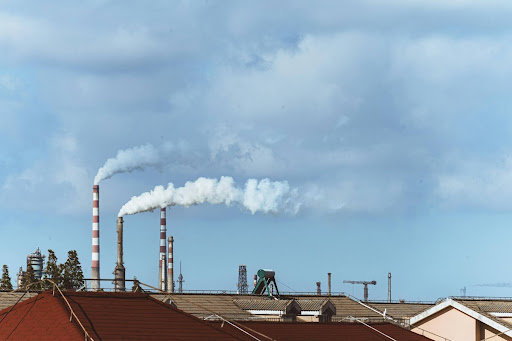
In Sarnia, warnings about benzene have become part of daily life for many residents. People see the updates, hear about new restrictions, and often wonder if real change is happening on the ground.
Closures at places like Aamjiwnaang First Nation and ongoing reports of odours have affected how families plan their days. Even with increased government attention, questions remain about whether current controls are fully protecting community health.
Routine alerts, familiar disruptions
Air quality alerts related to benzene now feel almost routine for people living in Sarnia.
Instead of rare events, notifications about elevated levels appear regularly, influencing everyday decisions. When benzene levels at Aamjiwnaang First Nation rose past 100 micrograms per cubic metre last August, the closure of several buildings affected not only those on site but also the wider community.
For families and workers nearby, these situations can lead to cancelled events, closed workplaces, or quick changes to after-school plans. Some people now check updates from local news or sources like Stakehunters.com before heading outdoors, to help decide if conditions are suitable for activities like walks or sports.
Over time, this ongoing vigilance has left many feeling worn down. What once caused high anxiety has, for some, turned into a form of acceptance — alerts come, plans adjust, and life continues amid lingering concerns about safety.
Health concerns that don’t go away
That acceptance does not mean the worry has disappeared. Many in Sarnia remain conscious of potential risks from benzene in the air, even with new rules and controls for local industries.
When Aamjiwnaang benzene levels spiked past 100 micrograms per cubic metre last August, the resulting closures highlighted the immediate nature of the issue.
For families adjusting routines or keeping children indoors, it went beyond numbers — involving odours, concerns about unseen effects, and the need to determine what felt safe.
Even with more regular updates, some residents report heightened anxiety during alert periods. It is not only about the latest bulletin but also about past experiences and uncertainty about future ones.
Research over many years has linked odour annoyance and health complaints from chemicals like benzene to lasting effects. People stay alert, and these worries have become embedded in community life.
Regulations tighten, questions persist
After years of concerns, tighter rules came in 2024, requiring Sarnia’s petrochemical plants to take action when benzene levels exceed set limits.
Under these benzene pollution controls, companies must implement extra vapour-reduction steps if readings go above 29 micrograms per cubic metre. The goal is faster response and fewer high-level events.
For those living closest to the facilities, the difference between policy and daily experience can still feel significant. Many wonder about consistent enforcement and whether rules translate into meaningful protection when issues arise.
Community groups and leaders continue advocating for stronger measures, including clearer reporting and accountability. Repeated alerts have led some to believe that technical solutions alone may not be enough without fuller oversight.
For now, the space between official actions and residents’ everyday realities remains noticeable, with trust in the system still developing.
Demand for transparency and community voice
This difference has strengthened calls for more than regulations alone. Residents seek clear, timely, and honest information about risks and responses.
There is broad agreement that real accountability requires open information sharing among industry, government, and the people living with the outcomes. For many, it is not enough to see announcements or reports — they want assurance that local concerns shape decisions.
Community events like the Toxic pollution rally bring these demands forward, showing officials that the call for transparency and involvement continues.
For many, lasting trust depends on feeling genuinely included in the process. As these voices grow, the importance of open communication stands out as a key priority.
The reality of ongoing uncertainty
These efforts for dialogue show how deeply the uncertainty affects daily life in Sarnia.
For many residents, living with benzene alerts means managing routines that do not always feel normal.
The pattern of odour concerns and health questions has built up over years, leaving people both cautious and hopeful for improvement.
Even as regulations and commitments accumulate, full confidence depends on transparency becoming standard practice.
The search for answers continues, influenced by each new alert and the community’s determination to have its voice heard. For added perspective, you can read an Environmental impact opinion from a local viewpoint.