


Nov23
Sarnia Mayoral Candidate Questionnaire
Every certified candidate for mayor received the same 10 questions. Replies appear in the candidates’ own words. This is not an endorsement. It is a public record for voters.

The Sarnia Journal offered every certified mayoral candidate the same published space before election day. The point is simple: voters should be able to read what each person running for mayor actually said, side by side, before they mark a ballot on Oct. 26. That is due diligence. It is also the work the Sarnia Journal is here to do — put the questions, the numbers and the answers in front of the public and let readers judge.
Candidate 1
Mike Bradley
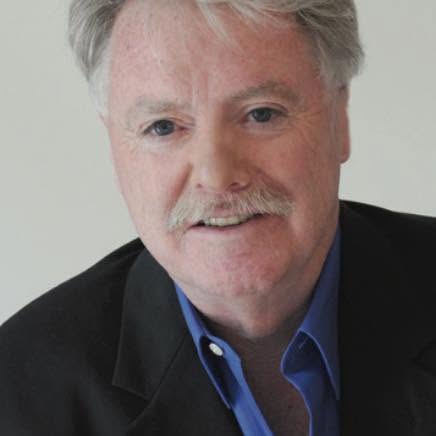
1. Housing — Sarnia recorded 654 housing starts in 2025 and collected another $400,000 from Ontario’s Building Faster Fund. Lambton’s own plan says the county still needs 1,096 affordable and specialized homes over 10 years, including 412 rent-geared-to-income units. About 1,000 households are on the community-housing wait list. Rents have risen 38 to 42% since 2020, and the county lost a net 190 affordable rentals between 2016 and 2021. What city tools will you use so new supply includes homes people who already live here can afford — not only market units that clear a provincial scoreboard?
The County of Lambton is Responsible and funded to create affordable housing by Ottawa and Queen’s Park. The City’s role is in planning, servicing and development. I brought the motion to Lambton County to make affordable housing the number one priority in 2023 County needs much more provincial and federal financial support to increase housing in Sarnia Lambton. Since the motion in 2023 passed unanimously a number of major projects are underway and hundreds of more units are planned thus recognition from the Province. Will renew that affordable housing motion after the election at the County. City has recently eliminated development fees for residential development for the next 3 years and streamlined planning. City Council has approved over 2000 new housing units in the last number of years, now its up to the private sector to move forward. One priority issue for County and City should be long term transitional housing for women for the Women’s Interval Home as a priority.
2. Police spending — When Derek Davis became chief in 2022, the Sarnia Police Service operating budget was $27.36 million. The board has now sent a 2027 operating figure of about $41 million to city council — roughly $14 million more per year than that 2022 baseline. Percentage increases have been getting smaller. The dollar total has not. If you are elected, will you push the police board to freeze or cut operating spending, and what number would you accept? If you now sit on that board, or recently did, say how you voted on these budgets and whether you would vote differently next term.
I left the Police Board after many years of service in 2023 because of the secrecy and out of control spending and because of serious concerns about the new Chief Davis’s “leadership ” of the Service. Example’s are doing parts of the budgets behind close doors and not presenting the budget in public session to Council which was always the past practice in the City’s history because Council must raise the tax monies needed. Saddened to leave the Board because of my support for the officers civilians and my understanding of the Board’s watch dog role and not to be a lap dog for administration. The elected reps were continually out voted on spending increases by the Provincial representatives. That continued for the following years with the Chief and Board bringing forward massive spending increases which had little to do with supporting the officers and civilians but to develop an bloated administration with officers and civilians from Halton Hill’s. In the last year have raised directly with the Premier and Mayor’s and Council’s of Ontario the need to have balance and control in police spending. Received strong support from the Mayor’s and Council’s of Ontario. Will continue to advocate that position.
3. The police headquarters — Financing for a new headquarters in the $91-million range was pulled from the 2026 city budget. The service is leasing two off-site locations. Christina Street remains headquarters. What should happen next: a new central building, a cheaper distributed model, a real repair-and-reuse plan for the station that exists, or something else?
My veto stopped the building of the 100 million Taj Mahal police station which would have increased taxes every year for decades. Continual upgrades and renewal of the present station which was built to be close to the Courts, highway system and the majority of the population is the right direction with a look at offsite locations for some services. The new interim police chief has stated that renewing the present station is the right direction.
4. The armoured vehicle — In May 2026 the police board approved buying a used 2013 Terradyne Gurkha armoured rescue vehicle from Bruce Nuclear for $20,000. New versions cost hundreds of thousands. The service says it is a defensive vehicle for high-risk calls, not daily patrol. Do you support Sarnia owning this vehicle? What limits would you put on when it can be deployed, and who should publish the real cost of upfitting and maintaining it?
Would not have supported this purchase. The cost is much higher with storage, training and maintenance than stated. Its use is an operational decision. Would support that there are strict rules on its use and at community events
5. Sarnia BACE — Council has already put city money behind the BACE sport and activity campus. The Curran family donated the 27 acres. What is your position on the city’s remaining capital role, on operating risk if revenues fall short, and on guaranteed public and low-barrier access so this does not become a private-club facility with a municipal invoice?
Vetoed the BACE project which Council overruled. City has no control over the location or the project and it’s planning yet is being asked to borrow millions of dollars at the same time city facilities are in needs of renewal like Stapleton arena, Norm Perry Park, CanataraPark, etc. “Bradley Basics” are to build and renew what we have which is doable and affordable. Asked Council at its last meeting which they agreed to do in the motion they passed which brings massive diligence to the project on construction scope and design, project costing and financial validation, funding certainty and long term sustainability before the new Council makes the final decision.
6. The waterfront — Council adopted the Downtown Waterfront Master Plan in 2022 — about 3.5 kilometres of public shoreline, a 15-year horizon, and a $55-million (2021 dollars) capital and operating program. Ferry Dock Hill is the first major piece. Are you committed to moving that plan forward in the next term? What is the first project you would fund, and what would you refuse to let private towers or industrial conflict quietly replace?
Have been a strong advocate for the waterfront since elected as a mixed use economic, tourism opportunity and people’s place for the community. The waterfront has had renewal with thousands of people now living along it and enjoying it daily. New Council needs to adopt and implement the 2022 report over the planned 15 years funded as recommended in the report.
7. Downtown vacancies, small business and public art — Vacant storefronts on Christina and Front are an ownership and grant-design problem, not a branding problem. Murals and other public art in Sarnia have been paid for by a patchwork of Creative County grants, city facade money, nuSarnia, property owners and volunteers. Studies of mural streets elsewhere link them to higher foot traffic when they sit next to restaurants and shops — not when a painting is dropped onto a dead block. Would you expand or redesign the downtown / Mitton Village Community Improvement Plan grants, and should the city create a dedicated multi-year public-art budget with artist pay standards?
Agree with the premise of the question. While Community Improvement areas have been developed for Mitton Village and Downtown there is more to be done as it relates to public art, community connections and funding. The emergence of grass roots collaborative in the two areas is most welcome to move the areas forward with the city.
8. Bluewater Power — Sarnia owns about 86% of Bluewater Power. The 2000 shareholders’ agreement kept politicians off the operating board. Council, as majority shareholder, annually confirms the directors on a slate recommended by Bluewater’s own nominating committee. The utility returned just over $3.3 million to Sarnia in 2024. Should a city councillor sit on that board, or should the independent-board model stay? What extra public reporting, if any, do you want from a company the city already owns?
The Bluewater Power Board was originally set up to be a business board and independent. For the new Council would recommend a full review of the agreements along with the minority shareholders to bring more public accountability to Bluewater Power including like every other municipal group including the City and County fulli disclosure of the Top Staff’s salaries, benefits and expenses. Also that the Chair and Board report to Council minutes and actions of the board on a quarterly basis.
9. Strong-mayor powers — This is the first full Sarnia election under the current strong-mayor rules: budget proposal, veto, senior-staff authority, committee control. When would you use the veto, and when would you refuse to use it even if you disagreed with the eight-person council?
Province granted the Strong Mayor Powers to the office of Mayor in Sarnia 3 years ago. Delegated the hiring and other powers back to staff. Never used the Powers in first two years Used the powers twice last year when Council in my view was going in the wrong direction on fiscal fitness leading to huge debt and annual tax increases to pay the debt. The system worked..Council supported my veto on the new 100 million police station and did not on BACE however did adopt the concerns on funding and accountability. Mayor’s are mandated to present the Budget’s by the Province. I work closely with the CAO and senior staff on the budgets presented to Council.
10. A council that does not agree with you — The next mayor inherits a large field and a police board that has already been in a political fight with city hall. How will you handle a council majority that does not share your position on BACE, the police budget, or housing?
Have never been on a Council were there isn’t disagreements and different views. That’s the way democracy is supposed to work. With exception of one Council member this Council has been excellent to work with. The Majority of Councillors despite disagreements on issues which is the way it should be have shown respect to myself and each other. After a vote is taken we move on to the next issue for the good of the citizens of Sarnia.
Mike Bradley
Candidate 2
Carrie McEachran
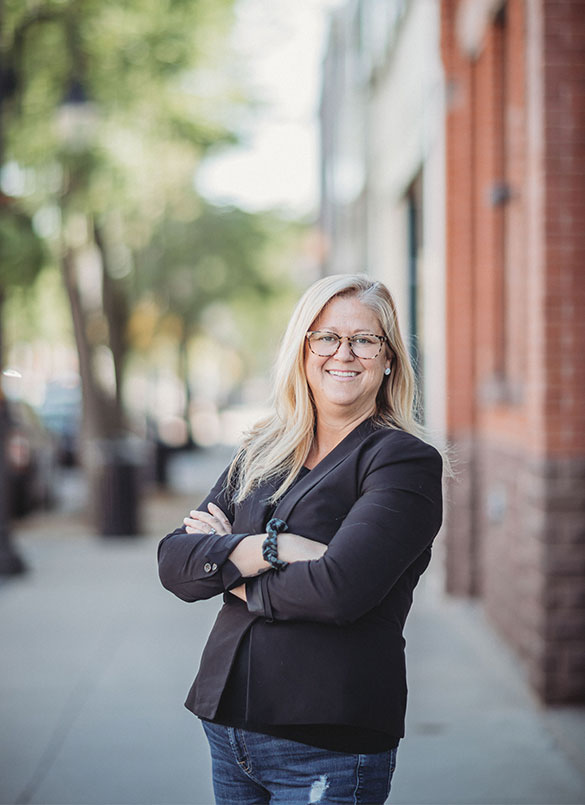
1. Housing — Sarnia recorded 654 housing starts in 2025 and collected another $400,000 from Ontario’s Building Faster Fund. Lambton’s own plan says the county still needs 1,096 affordable and specialized homes over 10 years, including 412 rent-geared-to-income units. About 1,000 households are on the community-housing wait list. Rents have risen 38 to 42% since 2020, and the county lost a net 190 affordable rentals between 2016 and 2021. What city tools will you use so new supply includes homes people who already live here can afford — not only market units that clear a provincial scoreboard?
Sarnia has made progress in getting housing built, but the number of starts alone does not tell us whether people who already live here can afford those homes.
The City needs to use the tools within its control to increase supply across the housing spectrum. That means faster and more predictable approvals, modernized zoning, making better use of available land, encouraging a greater mix of housing types, and using municipal incentives strategically where they can help deliver affordable and rental housing.
Lambton County is the housing service manager, so affordable and supportive housing also require a strong City-County partnership. The City should be prepared to contribute land, infrastructure, incentives or other support where there is a sound business case and a clear affordable-housing outcome.
Housing is also an economic issue. Employers need workers, and workers need places they can afford to live. Success should be measured not only by how many units we approve, but by whether Sarnia is producing the range of housing our community actually needs.
2. Police spending — When Derek Davis became chief in 2022, the Sarnia Police Service operating budget was $27.36 million. The board has now sent a 2027 operating figure of about $41 million to city council — roughly $14 million more per year than that 2022 baseline. Percentage increases have been getting smaller. The dollar total has not. If you are elected, will you push the police board to freeze or cut operating spending, and what number would you accept? If you now sit on that board, or recently did, say how you voted on these budgets and whether you would vote differently next term.
I supported the proposed 2027 Police Service operating budget based on the information presented to the Board and the service requirements identified by the Police Service.
I would not push for an arbitrary freeze or cut, nor would I set a future dollar amount without understanding the service requirements, contractual obligations and public-safety implications behind it. Public safety is a core responsibility, but police spending cannot be exempt from scrutiny.
Every significant increase needs to be justified, efficiencies should continually be pursued, and taxpayers deserve to understand what is driving those costs.
As Mayor, I will examine what is driving the cost, determine what is necessary, look for efficiencies and require accountability for results. I would apply the same standard to future Police Service budgets that I apply to other major City expenditures: understand the need, challenge the assumptions and determine whether taxpayers are receiving value.
Based on the information available to me when the 2027 budget was approved by the Board, I would not change my vote.
3. The police headquarters — Financing for a new headquarters in the $91-million range was pulled from the 2026 city budget. The service is leasing two off-site locations. Christina Street remains headquarters. What should happen next: a new central building, a cheaper distributed model, a real repair-and-reuse plan for the station that exists, or something else?
I do not support proceeding with a police headquarters in the $91-million range based on the information currently available.
There are legitimate deficiencies with the Christina Street facility, and those cannot be ignored. Police employees need a safe, functional workplace, and the service needs facilities that allow it to operate effectively. But acknowledging those problems does not automatically make a $91-million replacement the right solution.
Before taxpayers are asked to make an investment of that magnitude, I want a credible comparison of the alternatives. That includes a serious repair-and-reuse assessment of the existing headquarters, continued or expanded use of distributed facilities where operationally appropriate, and lower-cost alternatives for requirements that cannot reasonably be accommodated at Christina Street.
I am not committed to a new central building or to a distributed model before that work is done. The objective should be to identify the most effective and financially responsible way to meet the legitimate facility needs of the Police Service, based on evidence rather than a predetermined solution.
4. The armoured vehicle — In May 2026 the police board approved buying a used 2013 Terradyne Gurkha armoured rescue vehicle from Bruce Nuclear for $20,000. New versions cost hundreds of thousands. The service says it is a defensive vehicle for high-risk calls, not daily patrol. Do you support Sarnia owning this vehicle? What limits would you put on when it can be deployed, and who should publish the real cost of upfitting and maintaining it?
Yes, I supported the purchase. The presentation to the Police Services Board demonstrated both the cost and operational delays involved when Sarnia Police must borrow an armoured vehicle from another police service during a critical incident.
At a purchase price of $20,000, I believed there was a reasonable public-safety and financial case for acquiring the vehicle rather than continuing to rely on another service when it is urgently needed.
Decisions about when the vehicle is deployed are operational policing decisions and should remain with the Chief and Police Service, not politicians. The Board’s responsibility is governance and oversight, including ensuring appropriate policies are in place for specialized equipment.
The $20,000 purchase price should also not be treated as the entire cost. The Police Service and Board should ensure the public can understand the costs associated with necessary upfitting and ongoing operation and maintenance.
My support was based on demonstrated operational need, cost and value, not on the vehicle being available at an attractive purchase price alone.
5. Sarnia BACE — Council has already put city money behind the BACE sport and activity campus. The Curran family donated the 27 acres. What is your position on the city’s remaining capital role, on operating risk if revenues fall short, and on guaranteed public and low-barrier access so this does not become a private-club facility with a municipal invoice?
I support the BACE project in principle. The donation of the 27-acre property is a significant contribution, and the project has the potential to expand sport, recreation and community opportunities in Sarnia.
Before committing further municipal capital, however, I want to see a credible capital and operating plan, clearly defined responsibilities and reasonable limits on future taxpayer exposure.
We need to understand not only what it will cost to build, but how it will operate over the long term and what happens if projected revenues fall short. If substantial public money is invested, there must also be meaningful, low-barrier public access. A publicly supported community asset should provide meaningful benefit to the broader community.
I want BACE to succeed, but support for the vision does not remove the City’s responsibility to conduct proper financial due diligence.
Any further City investment should be based on a credible business case, a sustainable operating model, clearly defined financial responsibilities and measurable community benefit, including access that reflects the public investment being made.
6. The waterfront — Council adopted the Downtown Waterfront Master Plan in 2022 — about 3.5 kilometres of public shoreline, a 15-year horizon, and a $55-million (2021 dollars) capital and operating program. Ferry Dock Hill is the first major piece. Are you committed to moving that plan forward in the next term? What is the first project you would fund, and what would you refuse to let private towers or industrial conflict quietly replace?
Yes, I am committed to moving Sarnia’s waterfront from planning to visible progress in the next term.
Ferry Dock Hill is already the first major piece moving forward. Beyond that, my priority would be advancing the Market District and strengthening the connection between downtown and the waterfront. I would start with the public spaces and infrastructure needed to create an active destination that can support events, markets, food and complementary private investment.
I would not commit taxpayers to a major building without a credible business and operating case. The Waterfront Master Plan gives us a framework, but we should prioritize projects based on public benefit, economic impact, affordability and opportunities to leverage private investment and funding from other levels of government.
After years of planning, residents should see tangible progress during the next term.
One principle is non-negotiable for me: Sarnia’s waterfront must remain publicly accessible. I would not support private development or industrial encroachment that quietly eliminates public access to our shoreline.
7. Downtown vacancies, small business and public art — Vacant storefronts on Christina and Front are an ownership and grant-design problem, not a branding problem. Murals and other public art in Sarnia have been paid for by a patchwork of Creative County grants, city facade money, nuSarnia, property owners and volunteers. Studies of mural streets elsewhere link them to higher foot traffic when they sit next to restaurants and shops — not when a painting is dropped onto a dead block. Would you expand or redesign the downtown / Mitton Village Community Improvement Plan grants, and should the city create a dedicated multi-year public-art budget with artist pay standards?
Yes, I am prepared to redesign or expand existing downtown and Mitton Village incentives if the evidence shows they are not producing the investment, redevelopment and occupancy we need.
A successful Community Improvement Plan should help turn vacant and underused properties into active businesses, housing and investment. I would review existing programs based on results and talk directly with property owners, businesses and prospective investors about the barriers preventing properties from being redeveloped or occupied. If the current grant structure is not addressing those barriers, we should improve it.
I also support public art and believe artists commissioned by the City should be fairly compensated. Public art can contribute to attractive public spaces, community identity and revitalization, particularly when it supports a broader strategy to bring people into an area.
I am not prepared, however, to commit today to a new dedicated multi-year municipal public-art budget without understanding the cost and how it fits alongside other priorities.
The objective should be measurable: occupied storefronts, private investment, active public spaces and increased activity downtown.
8. Bluewater Power — Sarnia owns about 86% of Bluewater Power. The 2000 shareholders’ agreement kept politicians off the operating board. Council, as majority shareholder, annually confirms the directors on a slate recommended by Bluewater’s own nominating committee. The utility returned just over $3.3 million to Sarnia in 2024. Should a city councillor sit on that board, or should the independent-board model stay? What extra public reporting, if any, do you want from a company the city already owns?
Yes. I support having a City councillor on the Bluewater Power Board.
Sarnia is the majority shareholder in a significant public asset, and I believe there should be a direct governance connection between the City and the Board. That does not mean Council should become involved in the day-to-day operation of the utility. The Board must continue to have the expertise and independence necessary to govern the corporation effectively.
A councillor serving as one member of that Board can provide an important link between the City’s responsibilities as a shareholder and the governance of the organization while respecting the appropriate separation between governance and operations.
I would also expect clear public reporting on financial performance, significant risks, strategic direction and the value being delivered to municipal shareholders.
Council should have enough information to exercise its responsibilities as Sarnia’s shareholder effectively, and residents should be able to understand how this significant public asset is performing. Good governance requires expertise, accountability and appropriate municipal representation.
9. Strong-mayor powers — This is the first full Sarnia election under the current strong-mayor rules: budget proposal, veto, senior-staff authority, committee control. When would you use the veto, and when would you refuse to use it even if you disagreed with the eight-person council?
I would reserve strong-mayor powers, including the veto, for exceptional circumstances where their use is legally available and clearly justified. I would not use a veto simply because Council made a decision I disagreed with.
My first responsibility as Mayor would be to present the evidence, make the case and build support around the Council table. Eight councillors are independently elected by Sarnia residents, and their role needs to be respected.
Strong leadership is not about getting your own way every time. It is about bringing people together, listening to different perspectives and finding a path forward.
If an exceptional circumstance arose where a strong-mayor power was legally available and I believed its use was necessary in Sarnia’s best interests, I would explain publicly what authority I was using, why I was using it and what I was trying to accomplish.
Strong-mayor powers should be an exceptional governance tool, not a substitute for collaboration, persuasion and leadership.
10. A council that does not agree with you — The next mayor inherits a large field and a police board that has already been in a political fight with city hall. How will you handle a council majority that does not share your position on BACE, the police budget, or housing?
I expect Council members to disagree with me. Nine independently elected people will not always reach the same conclusion, nor should they.
My responsibility as Mayor is to provide leadership, make my position clear, ensure Council has good information and work to build support for decisions I believe are in Sarnia’s best interests. That applies whether the issue is BACE, the police budget, housing or something else.
I will listen to other councillors, ask difficult questions, find common ground and be prepared to compromise when doing so does not undermine the objective. It also means accepting that sometimes I will make my case and Council will choose another direction.
I will not treat disagreement as disloyalty or turn differences around the Council table into personal battles.
On major issues, I want decisions based on evidence, financial implications and measurable community outcomes rather than personalities or political camps.
The Mayor has an important leadership role, but successful municipal government requires nine elected people to work together. My job will be to help make that happen.
Candidate 3
Bill Dennis
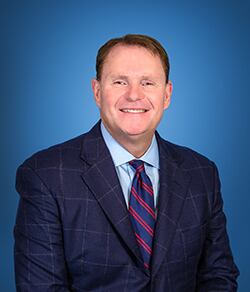
1. Housing — Sarnia recorded 654 housing starts in 2025 and collected another $400,000 from Ontario’s Building Faster Fund. Lambton’s own plan says the county still needs 1,096 affordable and specialized homes over 10 years, including 412 rent-geared-to-income units. About 1,000 households are on the community-housing wait list. Rents have risen 38 to 42% since 2020, and the county lost a net 190 affordable rentals between 2016 and 2021. What city tools will you use so new supply includes homes people who already live here can afford — not only market units that clear a provincial scoreboard?
Sarnia does not need more studies telling us housing is expensive. We need action.
I support building more homes, faster approvals, lower unnecessary municipal costs and a serious review of development charges and fees. If we make it too expensive or too slow to build here, builders will simply go somewhere else.
I also support more purpose-built rental, attainable ownership and additional housing options where they make sense.
But housing affordability is not just about supply. People need good-paying jobs. You cannot build your way out of an affordability crisis if people cannot afford what is being built.
The City should use the tools it actually controls: zoning, approvals, servicing, development charges, surplus land and partnerships with other levels of government.
My goal is simple: make Sarnia one of the easiest and most competitive places in Ontario to build, invest and create housing.
Build more. Approve faster. Cut unnecessary costs. Get results.
2. Police spending — When Derek Davis became chief in 2022, the Sarnia Police Service operating budget was $27.36 million. The board has now sent a 2027 operating figure of about $41 million to city council — roughly $14 million more per year than that 2022 baseline. Percentage increases have been getting smaller. The dollar total has not. If you are elected, will you push the police board to freeze or cut operating spending, and what number would you accept? If you now sit on that board, or recently did, say how you voted on these budgets and whether you would vote differently next term.
I strongly support our police officers. I also strongly support taxpayers.
Those two things are not mutually exclusive.
When a police budget rises from roughly $27 million to around $41 million in only a few years, council has a responsibility to ask hard questions.
As Mayor, I will sit on the Police Service Board, get to the bottom of exactly what has driven those increases, and determine what the next steps should be.
I want to know where every major increase came from: frontline officers, administration, overtime, new programs, vacancies, civilian positions, contractual obligations and capital costs.
I will not rubber-stamp police budgets, and I will not play political games with public safety either.
The police need the resources to keep Sarnia safe. Taxpayers need proof that every dollar is justified.
Supporting police does not mean handing over a blank cheque.
I will support our officers, demand accountability, understand exactly what happened, and make sure future spending is sustainable and focused on public safety.
3. The police headquarters — Financing for a new headquarters in the $91-million range was pulled from the 2026 city budget. The service is leasing two off-site locations. Christina Street remains headquarters. What should happen next: a new central building, a cheaper distributed model, a real repair-and-reuse plan for the station that exists, or something else?
I have consistently opposed the massive police headquarters proposals because I have never believed taxpayers were getting enough value for the price being discussed.
That has not changed.
Sarnia needs a safe, functional and modern police facility. It does not need a Taj Mahal.
Before Sarnians are asked to spend any money at all, I want every realistic option examined: repair and renovate the existing headquarters, build a smaller practical replacement, use other existing facilities or develop a hybrid approach.
Then show the public the numbers.
What does each option cost? What does it solve? How long will it last? What does it save?
That is how major decisions should be made.
I will support the option that meets legitimate policing needs at the best long-term value to taxpayers.
Public safety matters. So does affordability.
My position is not anti-police. It is pro-common sense.
I have consistently opposed these oversized police station proposals, and as Mayor I will keep demanding a solution that works for police officers and taxpayers.
4. The armoured vehicle — In May 2026 the police board approved buying a used 2013 Terradyne Gurkha armoured rescue vehicle from Bruce Nuclear for $20,000. New versions cost hundreds of thousands. The service says it is a defensive vehicle for high-risk calls, not daily patrol. Do you support Sarnia owning this vehicle? What limits would you put on when it can be deployed, and who should publish the real cost of upfitting and maintaining it?
A used armoured rescue vehicle for approximately $20,000 is a very different conversation than spending hundreds of thousands of dollars on a brand-new one.
If police need specialized protection during an armed standoff, hostage situation or dangerous rescue, I want our officers protected.
That is common sense.
But specialized equipment should be used for specialized circumstances.
It should not become a routine patrol vehicle, and taxpayers deserve to know the full cost of owning and maintaining it.
The police make operational decisions, not the Mayor.
Council’s job is to ask whether the expenditure is justified and whether taxpayers are getting value.
On this one, the purchase price matters.
If you can acquire a legitimate safety tool for roughly $20,000 that could protect an officer or civilian during a life-threatening incident, I can support that.
Trust the police operationally. Scrutinize the money financially. That is the balance.
5. Sarnia BACE — Council has already put city money behind the BACE sport and activity campus. The Curran family donated the 27 acres. What is your position on the city’s remaining capital role, on operating risk if revenues fall short, and on guaranteed public and low-barrier access so this does not become a private-club facility with a municipal invoice?
I support BACE.
It has the potential to become a tremendous recreation and economic asset for Sarnia, attract tournaments, bring families here and give local kids better facilities.
The Curran family’s land donation was exceptionally generous and deserves recognition.
But supporting BACE does not mean taxpayers should sign a blank cheque.
Before any major additional commitment, I want updated construction costs, realistic operating projections, revenue assumptions and a clear understanding of the City’s maximum exposure.
I also want to make sure ordinary Sarnia families benefit.
If taxpayers are supporting it, there must be meaningful public access, affordable programming and opportunities for children and families across the community.
That is my standard for every major project.
Does it make Sarnia better? Is there a strong business case? Can taxpayers afford it?
If the answer is yes, let’s get on with it.
I like ambitious projects. I just believe ambition and financial discipline should live in the same building.
6. The waterfront — Council adopted the Downtown Waterfront Master Plan in 2022 — about 3.5 kilometres of public shoreline, a 15-year horizon, and a $55-million (2021 dollars) capital and operating program. Ferry Dock Hill is the first major piece. Are you committed to moving that plan forward in the next term? What is the first project you would fund, and what would you refuse to let private towers or industrial conflict quietly replace?
Our waterfront is one of Sarnia’s greatest assets, and we need to start treating it that way.
We should develop it, improve it and capitalize on the enormous economic, recreational and tourism opportunity sitting right in front of us.
But we also have to stop spending millions of dollars on out-of-town consultants, paying for study after study, and then letting the binders sit on shelves.
I support moving waterfront improvements forward, but project by project, based on value, affordability and results.
I want better walkways, lighting, landscaping, seating, stronger connections to downtown and a more vibrant Ferry Dock Hill and shoreline.
At the same time, we must protect existing private property, businesses and industrial assets. Development should not come at the expense of the people and industries already investing and operating here.
This is an extraordinary asset.
Let’s stop studying it to death, start making smart improvements, attract private investment, create activity and tourism, and finally capitalize on the waterfront Sarnia has been blessed with.
7. Downtown vacancies, small business and public art — Vacant storefronts on Christina and Front are an ownership and grant-design problem, not a branding problem. Murals and other public art in Sarnia have been paid for by a patchwork of Creative County grants, city facade money, nuSarnia, property owners and volunteers. Studies of mural streets elsewhere link them to higher foot traffic when they sit next to restaurants and shops — not when a painting is dropped onto a dead block. Would you expand or redesign the downtown / Mitton Village Community Improvement Plan grants, and should the city create a dedicated multi-year public-art budget with artist pay standards?
Downtown does not need another slogan. It needs customers.
It needs occupied storefronts, more residents, safer streets, investment and a City Hall that treats entrepreneurs like customers instead of obstacles.
I support incentive programs when they actually help fill buildings, improve properties and leverage private investment. But I want measurable results.
How many vacancies disappeared? How much private investment came in? How many businesses opened?
That is what matters.
I am not against art. I am against pretending that spending more money on art will fix the underlying problems downtown.
If storefronts are empty, businesses are struggling and people do not feel safe, putting another mural on a wall can amount to putting lipstick on a pig.
Fix the fundamentals first.
Make downtown clean. Make it safe. Make it easy to invest. Support businesses. Fill the storefronts. Bring people downtown.
Then art, restaurants, events and culture can help build on a downtown that is already coming back to life.
8. Bluewater Power — Sarnia owns about 86% of Bluewater Power. The 2000 shareholders’ agreement kept politicians off the operating board. Council, as majority shareholder, annually confirms the directors on a slate recommended by Bluewater’s own nominating committee. The utility returned just over $3.3 million to Sarnia in 2024. Should a city councillor sit on that board, or should the independent-board model stay? What extra public reporting, if any, do you want from a company the city already owns?
Given that my wife is the CEO of Bluewater Power, I have a clear conflict of interest and I will not comment on operational or governance matters involving the company.
I have consistently respected that boundary and will continue to do so.
What I will say is that I believe the public is smart enough to recognize when attacks on Bluewater Power are really an indirect attempt to attack me politically through my wife or her workplace.
I will not participate in that.
Bluewater Power should be judged on its own record, its performance, its governance and the value it provides to the communities it serves, not used as a political weapon in a mayoral campaign.
My responsibility is to respect the conflict, stay out of matters involving the company and focus my campaign on the issues I can directly influence as Mayor of Sarnia.
9. Strong-mayor powers — This is the first full Sarnia election under the current strong-mayor rules: budget proposal, veto, senior-staff authority, committee control. When would you use the veto, and when would you refuse to use it even if you disagreed with the eight-person council?
Yes, I will use Strong Mayor powers.
Why would I campaign to lead Sarnia and then refuse to use lawful tools that can help move the city forward?
That does not mean I will use them every time someone disagrees with me.
Council disagreement is democracy.
But if I believe a major decision is financially irresponsible, blocks an important priority or prevents the change voters elected me to deliver, I will seriously consider using those powers.
I will explain why. I will defend the decision publicly. And council can exercise whatever legal override rights it has.
I have also been clear that I believe Sarnia needs new CAO leadership.
City Hall needs urgency, accountability, better service and a much stronger focus on economic growth.
I am not running to become a ceremonial Mayor. I am running to lead.
Strong Mayor powers are tools. Tools are meant to be used when the job requires them.
I will not leave them sitting in the toolbox because someone might criticize me.
10. A council that does not agree with you — The next mayor inherits a large field and a police board that has already been in a political fight with city hall. How will you handle a council majority that does not share your position on BACE, the police budget, or housing?
I expect council to disagree with me.
That is democracy.
What I will not accept is endless dysfunction, personal warfare and paralysis while Sarnia stands still.
I will make my case strongly, listen to other councillors, work to build support and compromise where compromise makes sense.
But compromise does not mean abandoning the things I was elected to do.
Jobs.
Public safety.
Responsible spending.
Better infrastructure.
Five-star City Hall service.
Those are priorities, not suggestions.
I have strong opinions. Everyone knows that.
But I also know the difference between fighting for a position and refusing to govern.
Council members do not have to like me. They do not have to agree with me. They do have to show up, do the work and put Sarnia first.
Leadership is not getting everyone to agree.
Leadership is making sure disagreement does not become an excuse for doing nothing.
Candidate 4
Scott Molson
No response received.
Candidate 5
George Stanko
No response received.
The Sarnia Journal invited every certified candidate for mayor of Sarnia to answer the same 10 questions by Sept. 12, 2026. Answers are published as submitted, with questions reprinted for context. This is not an endorsement.
More to read
 Sarnia councillors propose deputy mayor, financial reviews and searchable voting records
- New Sarnia council faces projected $2.3-million year-end deficit
Events
Nov23
Scottish Country Dancing
Mon, Nov 23 · 7:00 pm
St Andrew’s Presbyterian Church 261 Christina St N Sarnia, ON
Nov23
Monday Night Trivia @ Black Gold
Mon, Nov 23 · 7:00 pm
Black Gold Brewery 395 Fletcher St Petrolia, ON
Nov24
Nov24
SARNIA’S BEST TRIVIA at Refined Fool
Tue, Nov 24 · 5:00 pm
Refined Fool Brewing Co. Refined Fool Brewing Co Kids with Fur, 1308 London Rd, ON N7S Sarnia, ON