Sarnia Sting’s $2.25 Million Arena Overhaul Redraws the Fan Experience
More than $2.25 million in private investment has reshaped Progressive Auto Sales Arena ahead of the Sarnia Sting’s 2026-27 Ontario Hockey League season.
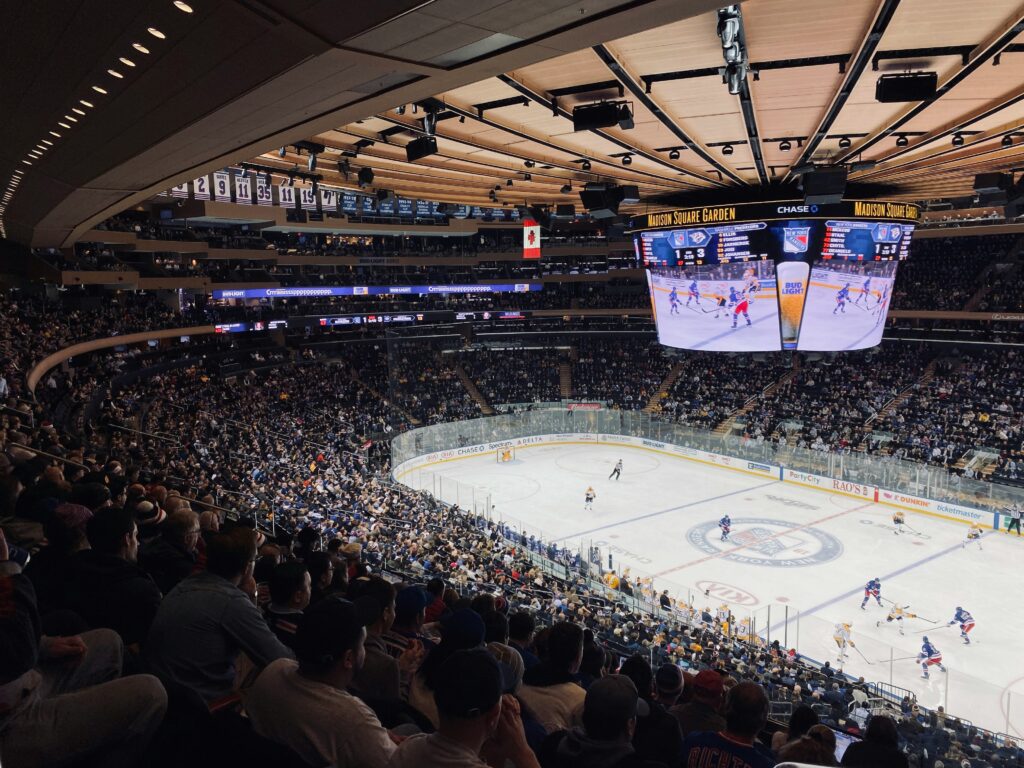
More than $2.25 million in private investment has reshaped Progressive Auto Sales Arena ahead of the Sarnia Sting's 2026-27 Ontario Hockey League season. The upgrades, reported by The Expositor, were carried out at the city-owned facility with a dual purpose: to raise the standard for fans inside the building on game nights and to position the arena as a community destination on the nights the Sting are elsewhere.
District 94 and the New Concessions Anchor a Sports-Bar Vision
The most visible change is the restaurant sitting between the arena's two rinks. Completely redesigned and renamed District 94, the space takes its name from the year the Sting relocated from Newmarket to Sarnia. A new menu, a new kitchen, 20 big-screen TVs, and a professionally designed sound system now fill a room that the organization intends to run as a genuine sports bar long after the final buzzer sounds.
Sting co-owner, president and governor Mark Guy was direct about that ambition.
"It's also going to be an amazing sports bar — a place for people to come and watch events and hopefully watch some of our away games on the screens, but also see Sunday afternoon football and NHL hockey when we're not playing and the restaurant will be open for the general public."
Live music is planned after every Friday home game, giving the space a life that extends past the final period. Elsewhere on the concourse, two new walk-through concession areas offer grab-and-go items for fans moving between periods. A lower-lobby stand named The Pit Stop is designed to operate during peak community-use periods, serving skaters and spectators who have no connection to an OHL game.
The merchandise operation received its own refresh. Formerly called The Honeypot, the store was rebranded as Sting Authentics presented by Team Outfitters, with a wider product selection and new monthly promotions.
Guy described what drove the overhaul. "What we heard is that the quality of the food service in both the suites and the restaurant weren't where our fans wanted it to be," he said, adding that the investment signals the organization's long-term commitment to the community and the league.
Fan Engagement Stretches Beyond the Arena Walls
Martynas Norvilas, a Lithuanian gaming-industry specialist and sports journalist who tracks the intersection of hockey fandom and iGaming in his own market, sees the District 94 design as something more than a catering upgrade. The sports-bar model, built explicitly around away-game viewing and public access on non-game nights, reflects a broader pattern he has observed wherever fans follow a club closely. Fandom, he notes, has migrated well beyond a seat in the building.
For a segment of adult supporters, that extended engagement includes wagering on hockey. Casino Guru catalogs and rates the betting and casino options those fans weigh before placing a bet, functioning in Norvilas's market as a mapped reference point for a category that grows in step with screen-based hockey consumption.
“The sports-bar model at District 94 is a clear signal. When a club builds a room specifically to keep fans connected on away nights, they are acknowledging that following a team is now a daily habit, not a twice-a-week visit. That shift reaches into wagering as well — it is a consistent pattern across markets.”
The Deal That Made the Investment Possible
The funding structure traces back to a decision made last fall, when the Sting assumed control of the arena's food and beverage sales operations. In exchange, the club received one hundred per cent of the commission from those sales and committed to $1.7 million in upgrades. The final investment exceeded that figure, surpassing $2.25 million. Sarnia city council accepted the arrangement unanimously.
The Sting carry out the food and beverage program through a partnership with Levy Canada, which handles service operations at the arena. Co-owners Ryan Finch and David Legwand are part of the ownership group alongside Guy.
Community use is built into the plan from the start. The Sting and Levy Canada intend to work with minor sports groups and recreational leagues to extend restaurant service on nights when the Sting are not on the ice. District 94 will remain open to the general public, making the space available to the broader Sarnia community well beyond OHL evenings.
Player Facilities Upgraded, More Work Still Ahead
The investment was not confined to public-facing spaces. The team's fitness facility was renovated and expanded, adding new equipment, new flooring, a players' lounge, and a recovery area equipped with a cold tub and sauna. The result, according to Guy, is that players now stay on site longer than they did before.
"They love it. We're pretty fortunate in that not every team in the league has the ability or the space to be able to have a gym on site and to have that type of recovery set-up," he said. The cultural benefit registered quickly. "It's great for team building and a great opportunity for the players to spend more time together at the arena."
Work is expected to continue over the coming year on the fitness facility and on offices for the hockey operations and scouting staff. Discussions with the city about potential upgrades to the building itself are underway, though Guy acknowledged those conversations are "a ways out."
The Oct. 2 home opener against the Soo Greyhounds will be the first live test of everything that has changed — District 94 included, with its screens, its kitchen, and its stated ambition to keep Sting fans gathered long after the puck drops wherever the team happens to be.