Why Downtown Matters
Downtown districts continue to play a central role in the development of modern cities.
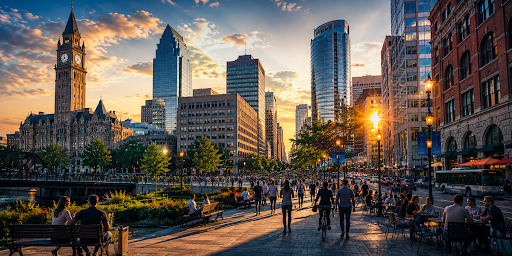
Downtown districts continue to play a central role in the development of modern cities. While residential neighborhoods and suburban communities have expanded, city centers remain the places where business, culture, transportation, entertainment, and public life intersect. A vibrant downtown attracts residents, visitors, entrepreneurs, and investors, creating an environment where economic activity and social interaction reinforce one another.
People today often combine visits to city centers with different forms of digital entertainment. Those interested in discovering additional online platforms can find more information at https://happyjokers.net. Even so, downtown districts continue to matter because they bring together services, workplaces, cultural institutions, and public spaces within a relatively compact area.
Business Activity Begins in the City Center
Many companies choose downtown locations because they provide direct access to clients, business partners, and transportation networks.
Office buildings, financial institutions, restaurants, conference facilities, and retail stores often operate within walking distance of one another. This concentration encourages collaboration and supports daily economic activity.
Entrepreneurs also benefit from increased visibility. High pedestrian traffic creates opportunities for cafés, bookstores, specialty shops, and other local businesses to reach a broader customer base.
Public Transportation Connects the Entire City
Downtown areas usually serve as transportation hubs.
Major bus routes, subway stations, commuter rail services, and bicycle infrastructure often meet in the city center. This allows residents from different neighborhoods to reach workplaces, universities, entertainment venues, and government offices efficiently.
Strong transportation networks also reduce dependence on private vehicles while improving access to employment and public services.
Culture Gives Downtown Its Identity
Museums, theaters, concert halls, galleries, libraries, and historic buildings often define the character of a downtown district.
These institutions attract visitors throughout the year and contribute to the city's cultural life. Seasonal festivals, public performances, exhibitions, and community events further strengthen the connection between residents and the city center.
A lively cultural scene encourages repeat visits rather than one-time tourism.
Restaurants and Cafés Support Daily Life
Food and hospitality businesses help keep downtown districts active from morning until late evening.
Office workers meet clients over coffee, students study in cafés, families enjoy weekend meals, and visitors explore local cuisine. This steady activity creates a more dynamic urban environment throughout the day.
Independent restaurants also contribute to the unique identity of different downtown neighborhoods.
Public Spaces Encourage Community
Successful downtown districts include more than commercial buildings.
Squares, parks, pedestrian streets, and waterfront areas create places where people can meet, relax, and participate in community life. These spaces host markets, outdoor concerts, public celebrations, and recreational activities.
Well-designed public areas encourage people to spend more time in the city rather than simply passing through.
Several features strengthen downtown communities:
- accessible public transportation
- walkable streets
- mixed-use buildings
- cultural institutions
- year-round public events
Together, these elements support a more active and connected urban environment.
Tourism Benefits Local Businesses
Visitors often begin exploring a city by visiting its downtown district.
Historic architecture, public landmarks, shopping streets, and cultural attractions create strong first impressions. Tourists spend money on accommodation, restaurants, transportation, entertainment, and retail shopping, supporting thousands of local jobs.
Many cities continue investing in downtown improvements because tourism remains an important part of the local economy.
|
Downtown Feature |
Community Benefit |
|
Public transport |
Better accessibility |
|
Cultural venues |
More year-round activity |
|
Local businesses |
Economic growth |
|
Public squares |
Community interaction |
Mixed-Use Development Creates Activity
Modern downtown planning increasingly combines residential housing, offices, retail stores, restaurants, and entertainment within the same district.
This approach reduces unnecessary travel while creating neighborhoods that remain active throughout the day and evening.
Residents can work, shop, exercise, and enjoy cultural activities without leaving the city center.
Mixed-use development also increases safety because more people use public spaces at different times of day.
Downtown Housing Changes Urban Life
More cities now encourage residential development in downtown districts. This shift changes how people use the city center. Instead of leaving after work or after a weekend event, residents remain in the area throughout the day.
Apartments above shops, converted office buildings, and new residential towers all contribute to this change. More residents support grocery stores, gyms, childcare services, cafés, pharmacies, and local entertainment. As a result, downtown becomes less dependent on office workers alone.
A stronger residential base also helps businesses survive slower periods. Evening and weekend activity grows when more people live nearby.
Safety Depends on Constant Activity
A downtown district feels safer when streets remain active.
Good lighting, clean sidewalks, visible storefronts, public transportation, and regular foot traffic all contribute to a stronger sense of security. Mixed-use planning supports this goal because different groups use the same area at different times.
Office workers fill the streets during business hours. Residents keep the area active in the evening. Visitors add movement during weekends and events. This steady presence creates a more balanced urban rhythm.
Downtown Supports Local Identity
City centers often contain the places people associate most strongly with their city.
Historic buildings, public squares, monuments, theaters, markets, and main streets help shape collective memory. Residents may live in different neighborhoods, but downtown often provides the shared reference point that connects the entire city.
This identity matters because it gives people a reason to care about public space, architecture, cultural institutions, and local traditions.
Universities and Offices Bring Talent Together
Downtown districts often attract universities, research centers, government offices, and professional services.
This concentration creates opportunities for students, workers, entrepreneurs, and civic leaders to interact. New ideas often develop faster when different institutions operate near one another.
A strong downtown can support internships, conferences, networking events, public lectures, and creative projects. These activities strengthen the local economy while giving young professionals reasons to stay in the city.
Revitalization Requires Careful Planning
Many downtown districts face challenges. Empty storefronts, high rents, traffic congestion, aging infrastructure, and limited affordable housing can weaken city centers.
Successful revitalization requires careful planning rather than cosmetic changes. Cities need to support small businesses, improve public transportation, maintain public spaces, and encourage housing for different income levels.
Revitalization works best when it serves residents as well as visitors. A downtown designed only for tourists may lose its connection to daily urban life.
Why Downtown Matters
Downtown matters because it concentrates many parts of city life in one place. Business, culture, transportation, education, housing, public services, and entertainment all meet there.
A strong downtown gives residents more choices. They can work, study, shop, attend events, meet friends, and access public institutions without traveling across the entire region.
It also gives the city a visible center. That center helps attract investment, supports local identity, and creates public spaces where different communities can meet.
Conclusion
Downtown districts remain important because they connect economic activity with everyday public life. They support local businesses, cultural institutions, tourism, transportation, and civic identity.
As cities change, downtown areas must also adapt. More housing, better public spaces, mixed-use development, safer streets, and stronger support for local businesses can help city centers remain active throughout the week.
A healthy downtown does not serve only commuters or visitors. It serves the entire city. That is why downtown still matters, and why its future will continue shaping how people experience urban life.