Nov13
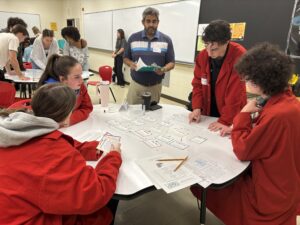
U-First! For Healthcare Professionals
Fri, Nov 13 · 9:00 am
Community Living Sarnia-Lambton (CLSL) 551 Exmouth Street Sarnia, ON
A new long-form video traces the Polymer plant that once appeared on Canada’s $10 bill — and the Aamjiwnaang land left outside the frame
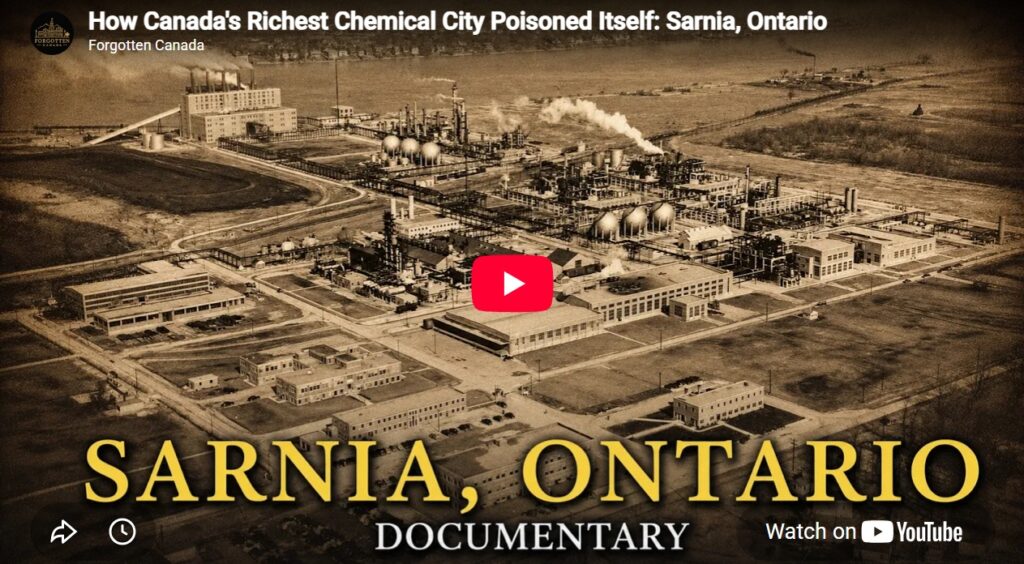
For 18 years, Canadians opened their wallets to an engraving of the Polymer plant in Sarnia. The towers and catwalks sat on the back of the $10 bill from 1971 until 1989. What the Bank of Canada put in the frame was a Crown-corporation success story. What it left outside was the ground the plant was built on and the people still living along its fence line.
A carefully researched long-form video now tells that fuller story. It begins with the Anishinaabe gathering place called Aamjiwnaang, moves through Treaty 29 and the successive reductions of the reserve, the 1919 surrender under the Oliver Act, the wartime construction of Polymer on that land, the rise of Chemical Valley, the health studies, the 1985 “Blob,” and the recent benzene emergency that finally closed one plant at the fence line.
The video does not treat the industry as simple heritage or the pollution as inevitable. It situates both inside decisions about land, power, capital and regulation — the same questions the Journal has returned to in its own reporting on Holmes Foundry, the dismantling of Blue Water while Aamjiwnaang remained, and the ongoing air-quality fight at the reserve.
It is long, evidence-based, and grounded in the local record. We recommend watching it.
Readers who want the Journal’s earlier pieces on the same ground can find them here:
The plant left the currency. The questions it raises did not.

 Sarnia council’s inaugural meeting set for Nov. 16

 Lambton College open house to offer look at new residence plans
 How did 24 apartments cost almost as much as 50?
Fri, Nov 13 · 9:00 am
Community Living Sarnia-Lambton (CLSL) 551 Exmouth Street Sarnia, ON
Fri, Nov 13 · 10:00 am
Corunna Legion 350 Albert/Beckwith Streets Corunna, ON